Napa vs Sonoma
· By GoldenPath Guide Editorial Team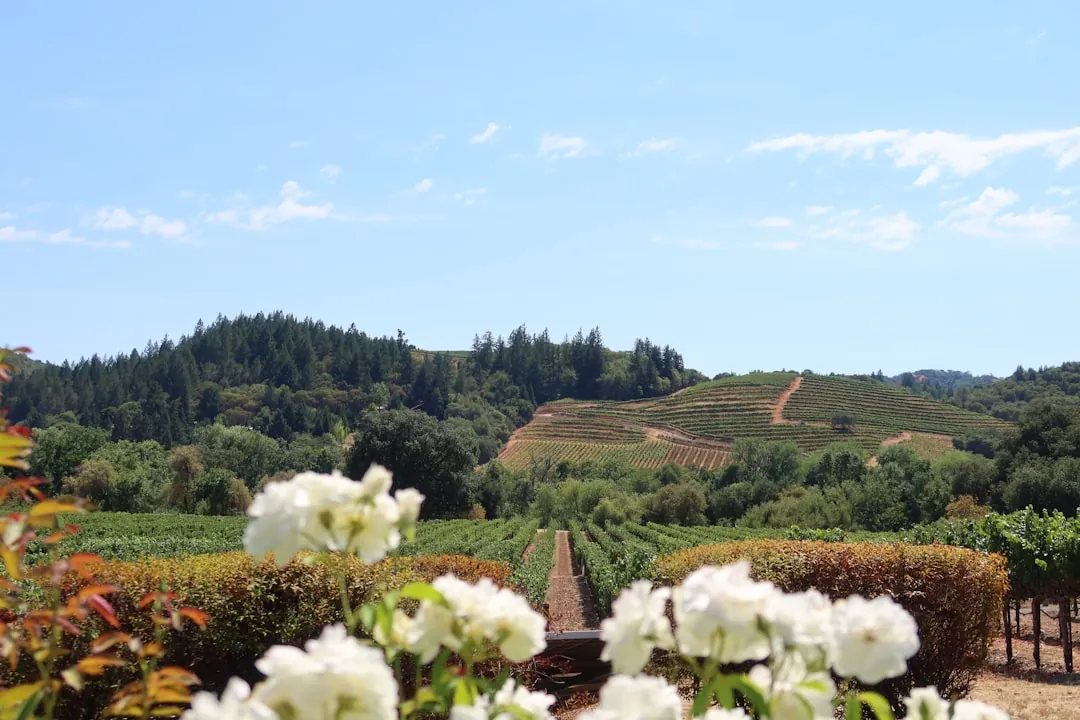
Napa and Sonoma, side by side north of San Francisco, together represent America’s most famous wine country. They are close enough to combine in one trip — yet distinct enough that choosing where to focus matters. This guide weighs the two against each other so you can pick the right base for your time, taste and budget.
There’s a moment in every wine-country afternoon — the sun going amber through the vines, the cork easing out, a stranger at the next table catching your eye over a shared opinion — when the day stops being a plan and becomes a memory you didn’t see coming.
The headline difference
Napa is the more polished, premium and tour-driven region. Its wineries tend to be grander, with more booking-required tastings, higher price points and a more formal feel. It is the region that put California wine on the world map, buoyed by the 1976 Judgment of Paris, and it leans heavily on the drama of big, structured Cabernet.
Sonoma is larger, more varied and, on the whole, more relaxed. It spreads across many smaller areas — Dry Creek Valley, Russian River, Sonoma Coast, Healdsburg — with a mix of boutique farmhouses, family wineries and a more laid-back, wandering pace. Where Napa feels like a single polished valley, Sonoma feels like a collection of distinctive regions.
Comparison table
| Factor | Napa Valley | Sonoma |
|---|---|---|
| Scale | Compact, focused valley | Large, spread across sub-regions |
| Vibe | Polished, premium | Relaxed, varied |
| Booking | Often reservation-only | More walk-ins possible |
| Price | Higher, luxury-leaning | Generally more moderate |
| Signature grapes | Cabernet Sauvignon | Pinot Noir, Chardonnay, Zinfandel |
| Food scene | High-end, Michelin | Farm-to-table, artisan |
| Best for | Buckets, ceremony, Cab lovers | Variety, charm, laid-back tasting |
What to taste in each
Napa
Napa is synonymous with Cabernet Sauvignon — bold, structured reds that have earned global acclaim since the pivotal 1976 Judgment of Paris. Expect opulent tasting experiences, often with dramatic estates, architecture, and guided tours. Reserve ahead, especially for the top names, as many require appointments and the best sell out quickly.
Sonoma
Sonoma’s cold, foggy coast is ideal for Pinot Noir and Chardonnay, while the valleys and hills favor Zinfandel and a wide array of others. The smaller, family-run rooms contribute to a more personal, freewheeling feel with some lovely low-key discoveries — the kind of stop where you chat with the winemaker. There’s a particular warmth to it: the hand-drawn sign out front, the dog asleep by the tasting counter, the host pouring you something that never made it to a label. You leave feeling less like a customer and more like a friend who stopped by.
Closing the day
Whichever side of the county line you’re on, the evening arrives the same way — golden light spilling low across the rows, a cool breeze rising off the hills, and a glass in your hand as the valley goes quiet. It’s the part no itinerary can schedule, and the reason people keep coming back.
Deciding which to choose
- Choose Napa if you want a highly polished, premium experience, love Cabernet, and are happy to plan and reserve in advance.
- Choose Sonoma if you prefer variety, charm and the freedom to wander, and want to taste a broader range at a more relaxed pace.
- Do both if you have two or more days — they are adjacent, and a split base (or a day trip across the county line) gives you the best of both worlds.
Practical planning notes
- Book tastings. In peak season (spring and fall), many Napa rooms require reservations days or weeks ahead.
- Designate a driver. A designated driver or a guided tour is the safest and most comfortable choice across the valleys.
- Pace yourself. Staying on hotel property or choosing lodging in the town center makes the return easy after tasting.
- Consider the shoulder seasons. Spring and fall are ideal, but winter and early spring can be quieter, cheaper and surprisingly lovely.
Whichever you choose — or if you combine them — you are in one of the world’s great wine regions, rich with both scenery and outstanding California wine.
Beyond the tasting rooms
Both valleys offer plenty beyond wine. Napa pairs tasting rooms with big-name restaurants and resort spa culture, while Sonoma’s charming towns — Healdsburg, Sonoma Plaza, the Russian River area — are worth a wander. Hot-air balloon rides over the vines, farm-stand shopping and scenic drives through the hills round out any itinerary.
Getting there
Both regions sit roughly an hour north of San Francisco, reachable by road. A rental car gives you the freedom to explore at your own pace, though guided tours are a convenient alternative that lets you skip driving altogether. Plan to stay overnight to fully enjoy the evening light and a relaxed dinner.
Choosing your route
If you do have time for both, a sensible route is to base yourself in one valley and make a day trip across the county line. Or, plan two nights — one in each — and take the scenic drive between them through the hills. Whichever you choose, the food and wine scene on both sides rewards an unhurried pace, so build in time to linger.