Best Time to Visit California: Season Guide by Region & Month
· By GoldenPath Guide Editorial Team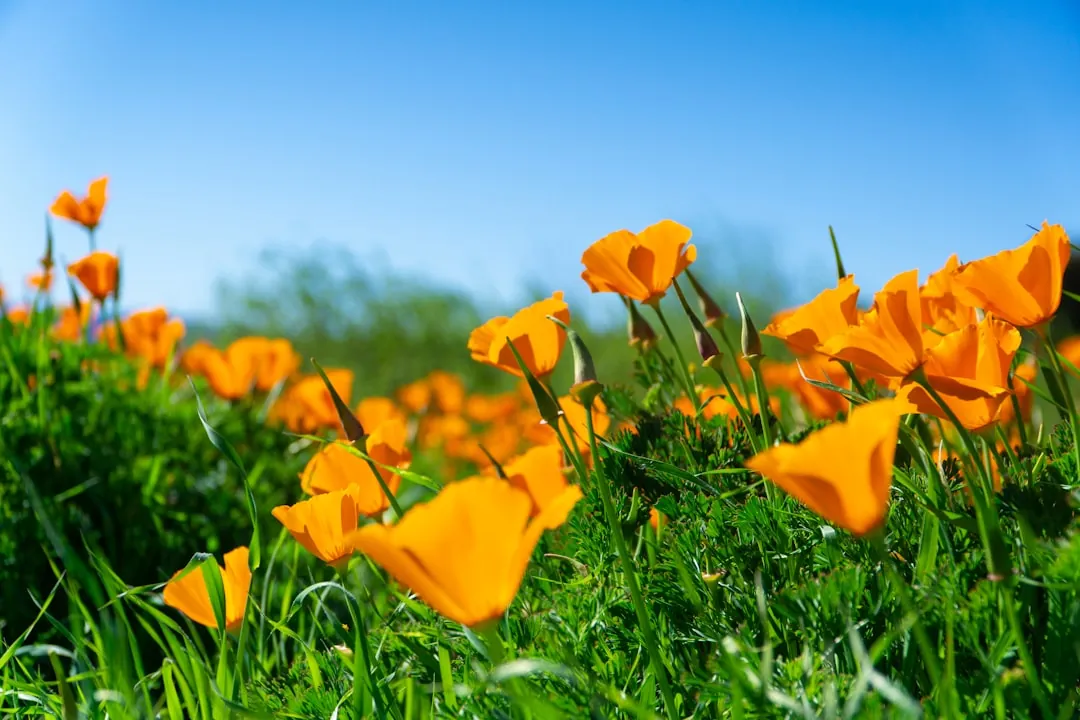
A tourist in Santa Cruz in June gets fog. A hiker in Death Valley the same week sweats through 110 degrees. Ask one traveler whether summer is a good time for California and the answer depends entirely on where they stood. The state spans a Mediterranean coast, a snow-heavy Sierra, a scorching desert and a cool wine country, so the real question is which California you intend to visit.
California’s Climate in a Nutshell
Much of California runs on a Mediterranean rhythm: mild, wet winters and warm, dry summers. Then the altitude and distance from the ocean start rewriting the rules — the coast stays cool and foggy, the inland valleys bake, the mountains pile up snow and the desert turns brutal in midsummer. Your ideal season is a function of your destination, not the calendar.
Season-by-Season Summary
| Season | Coast | Mountains | Desert | Crowds |
|---|---|---|---|---|
| Spring (Mar–May) | Mild, clear | Melting snow | Wildflowers | Moderate |
| Summer (Jun–Aug) | Warm, foggy | Open trails | Very hot | High |
| Fall (Sep–Oct) | Perfect | Agreeable | Comfortable | Moderate |
| Winter (Nov–Feb) | Rainy, mild | Snow sports | Pleasant | Low |
Best Time by Destination
California Coast & Big Sur
The Pacific coastline is lovely for most of the year, but late spring to early autumn brings the driest roads and clearest days. Summer skies are often sunny, though mornings can burn off a fog layer. Winter and early spring bring rain and the occasional Highway 1 closure.
Yosemite & the Sierra
Summer (June–September) is prime season, when the high country opens and the waterfalls run full. Spring is spectacular for peak water flow, though Tioga Pass may still be closed. Winter is calm and striking but demands chains.
Lake Tahoe
Winter is for skiing and summer for lakes, beaches and hiking. Fall is a quiet shoulder season with fewer crowds and golden aspens.
Southern California & San Diego
Southern California stays comfortably warm and sunny for much of the year. Spring and fall are ideal — warm days without the summer crush. Summer brings peak crowds and the occasional marine layer, while winter is mild and easy on the wallet.
Wine Country
Napa and Sonoma shine in early fall during harvest, and stay pleasant in spring. Summer runs hot, and winter is quiet with the odd rainy weekend.
Month-by-Month Overview
| Months | Typical Weather | Best For |
|---|---|---|
| Mar–May | Mild coast, green hills, wildflowers | Wine, coast, flowers |
| Jun–Aug | Warm, dry, crowded | Beach, Yosemite, Tahoe |
| Sep–Oct | Warm, clear, harvest | Coast, wine, hiking |
| Nov–Feb | Cool, rainy, snow in mountains | Skiing, quiet city breaks |
Budget and Crowds
Summer is peak season, which means the highest prices and the biggest crowds at beaches, national parks and wine country. Winter and early spring offer the lowest cost for most destinations (ski resorts aside) and easy company on the road. If your schedule bends, travel the shoulder seasons for the best mix of value, weather and solitude.
Hotel Prices by Month
Rates swing hard by season, and the calendar is the biggest lever on a California budget. San Francisco Union Square hotels average $280 to $380 a night in September and October, then drop to $170 to $240 in January and February — the same room, 40 percent less. San Diego beach hotels peak at $300 to $420 in July and August and slide to $160 to $230 in December and January. Napa Valley runs $350 to $550 during crush season in September and October, with two-night minimums common on weekends, then falls to $200 to $300 in January and February. Yosemite Valley lodge rooms hold $300-plus from May through September and require booking the day reservations release, while November through March often shows same-week availability near $200. Palm Springs inverts the pattern: $350-plus in February and March, under $150 in July and August when temperatures pass 110 degrees.
Events Worth Timing a Trip Around
Certain months carry events that justify planning around. January and February bring gray whale migration viewpoints at their best from Mendocino to San Diego, plus restaurant weeks in San Diego and San Francisco with prix-fixe menus at $30 to $60. March and April deliver desert wildflower blooms in Anza-Borrego and the Coachella festival weekends in Indio, where nearby hotel rates triple — book four to six months out or stay 30 miles away. May and June bring county-fair season and the start of outdoor concert series at venues like the Hollywood Bowl, which runs June through September. September means grape crush in Napa and Sonoma with harvest events weekly. October brings Fleet Week in San Francisco and free museum days in several cities. December pairs low hotel rates with holiday boat parades in Newport Beach and San Diego Bay.
Weather Risks and What to Skip Each Season
Every season has a trap worth dodging. June brings marine-layer gloom to San Diego and Los Angeles beaches — mornings stay gray until noon, so schedule beach days for August through October instead. September and October bring Santa Ana winds and peak fire-season risk to Southern California hills; check air-quality reports before booking canyon hikes. November through March sends heavy snow to Sierra passes — carry chains, since routes like I-80 enforce chain controls dozens of days per winter, and budget an extra travel day. Skip Death Valley from June through August, when 120-degree afternoons make even short walks unsafe; visit November through March when highs sit in the 60s and 70s. Skip Big Sur during the first heavy December rains, when slide closures are most likely, and recheck road status weekly through March.